The Art of Seasonal Transitions: Designing Resilient Landscapes with Hammond Jun 14, 2026
In the spring, nature rejuvenates, providing an ideal time to assess your landscape's health. This is when winter-battered plants need revitalizing, and when plans for planting should be laid out. Spring offers the perfect opportunity for planting cooler-season perennials and early-blooming bulbs, ensuring your garden flourishes as temperatures climb. At Hammond Landscape, our experts recommend beginning with soil health enhancement, a step essential for encouraging root development and sustaining plant vigor over the warmer months. A comprehensive soil test can help you determine nutrient needs to guide your fertilization strategy.
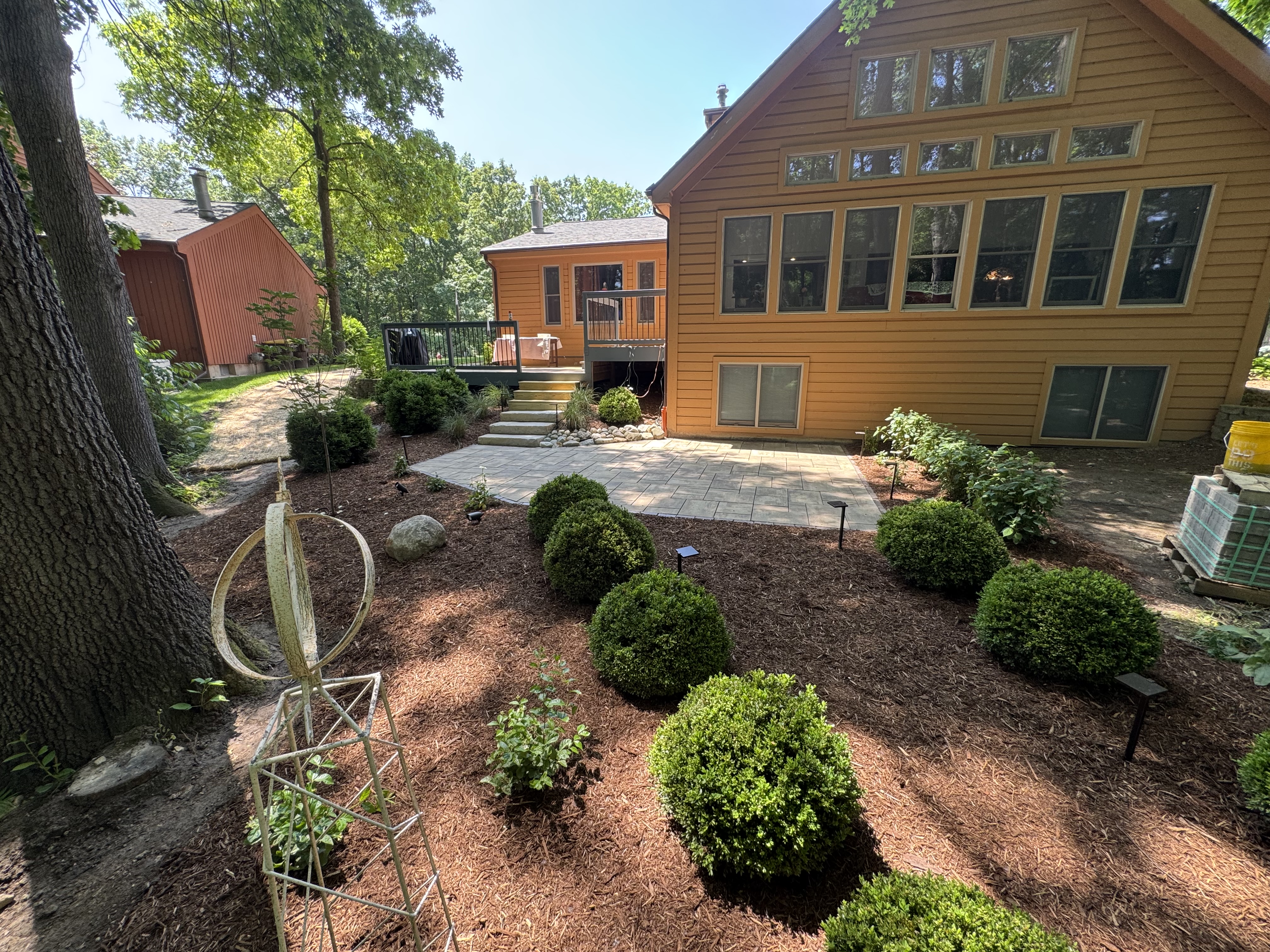
Summer, with its longer days and abundant sunshine, can place stress on your landscape. To combat this, water management becomes a pivotal focus. Implementing efficient irrigation systems ensures that your plants receive adequate water without wastage, even during drought conditions. At Hammond Landscape, we advocate mulching—a technique that conserves moisture, suppresses weeds, and regulates soil temperature, keeping your garden thriving through the hottest months.
As fall approaches, landscapes gradually prepare for dormancy, making it critical to ready your outdoor space for the cooler weather to come. Autumn is the optimal period for planting trees and shrubs as the cooler temperatures and increased rainfall help new roots to establish before winter. Fall is also the ideal time to clean up garden debris and prevent disease. Hammond Landscape emphasizes the importance of feeding your soil with organic matter, such as compost or well-decayed leaves, to improve soil structure and nutrient content for the upcoming spring growth.
Winter might seem quieter in terms of garden activity, but it’s a crucial phase for landscape preservation. Protecting your plants from harsh conditions involves ensuring they are well-insulated. Applying burlap or other protective covers can help safeguard vulnerable species from wind damage and freeze. Moreover, winter offers an excellent opportunity to plan for the upcoming year. Sketching out your landscape design while reflecting on what worked well and what might be improved ensures you are well-prepared once spring returns.
While these practices guide you in maintaining a resilient landscape, partnering with experienced professionals such as Hammond Landscape can further enhance your efforts. With expertise in adaptive strategies and a commitment to environmental sustainability, our team customizes services to suit your unique needs, ensuring your landscape not only survives but thrives all year round. We provide comprehensive landscape assessments, design consultations, and seasonal maintenance plans, empowering you to enjoy a beautiful and healthy garden no matter the season.
In conclusion, designing a resilient landscape hinges on understanding the seasonal dynamics of your environment. By employing these seasonal strategies, homeowners can maintain lush, thriving outdoor spaces that withstand nature's whims. Hammond Landscape is here to support you every step of the way, lending our expertise to make your seasonal transitions smoother and more successful. Connect with us to transform your landscape into a thriving, year-round oasis.
/filters:no_upscale()/filters:format(webp)/media/34d09f81-85a7-4ebc-8295-f6aa4425903f.jpeg)
/filters:no_upscale()/filters:format(webp)/media/d0046b2d-a3bf-43e7-b532-fc259b10cb19.png)