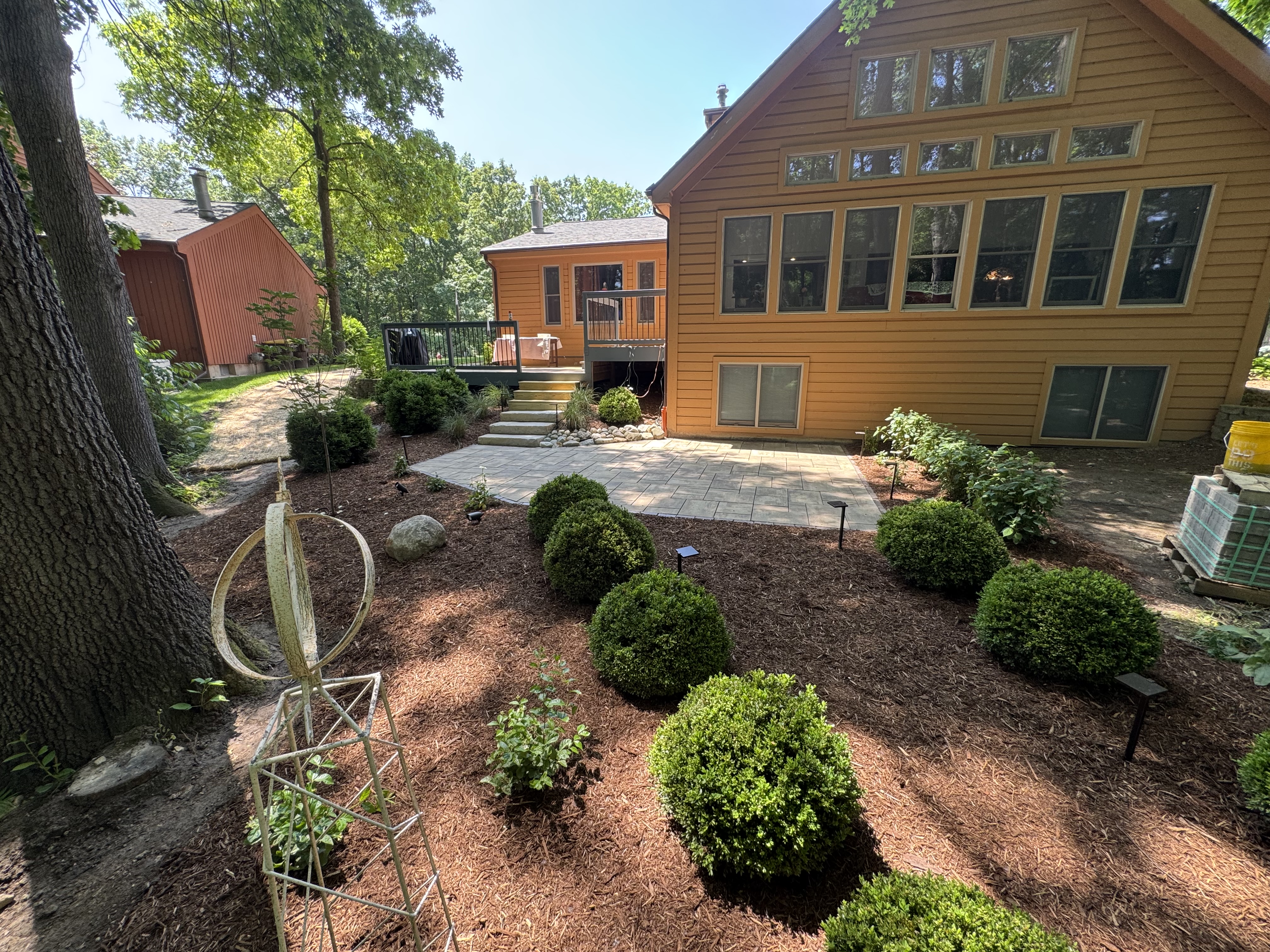
Pollinator Havens: Designing Wildlife-Friendly Gardens with Hammond Apr 22, 2026
Why Design a Wildlife-Friendly Garden?
Pollinators contribute significantly to healthy gardens and urban spaces. A well-designed garden offers benefits such as increased plant yield and vibrant biodiversity, while helping species at risk. At Hammond Landscape, we believe in harmonizing beauty and utility, creating green spaces that sustain wildlife and provide visual delight. Understanding how to use native plants and eco-friendly practices can transform your garden into a sanctuary for pollinators.
Choosing the Right Plants
Selecting appropriate plants is crucial for attracting pollinators. Native plants are always the best choice because local wildlife is already adapted to them. Plants like lavender, sunflowers, and coneflowers bring vibrant color while offering nectar and pollen. Consider variety in flower shapes and sizes, as diversity appeals to different pollinators. Hammond Landscape's expertise lies in selecting species that will thrive in your specific climate and soil, ensuring longevity and continued bloom throughout the seasons.
Creating a Balanced Ecosystem
Diversity does more than attract different pollinators—it supports a balanced ecosystem by providing various food sources and habitats. Mix perennials and annuals to ensure continuous blooms, providing food throughout the growing season. Incorporate nesting sites, water features, and shelter in your garden design. Hammonds Landscape recommends using items like stone piles or bundles of sticks for nesting possibilities to further enhance the natural beauty and function of your garden.
Eco-Friendly Practices
Using eco-friendly gardening techniques will further bolster your garden’s attractiveness to wildlife. At Hammond Landscape, we advise against the use of pesticides, which can harm beneficial insects including pollinators. Instead, adopt organic practices such as companion planting to naturally deter pests and encourage symbiotic plant relationships. Mulching with organic materials can also help retain soil moisture, reduce weeds, and improve soil health, contributing to a sustainable garden environment.
Water Elements in Garden Design
Incorporating water features is another essential step in creating a pollinator haven. Birds and insects need water just as much as food. Whether it’s a birdbath, a small pond, or even a decorative basin, ensure a water source is present. These features not only aid pollinators but add a sense of tranquility and movement to your garden space, enhancing its overall appeal.
Monitoring and Adapting
Finally, a successful wildlife-friendly garden requires continual observation and adaptation. Watch which plants attract the most visitors and adjust your plantings accordingly. Consider getting the assistance of Hammond Landscape's professionals to provide insights and maintenance tips that ensure the longevity and biodiversity of your garden. With our guidance, your space can evolve along with the changing needs of your local ecosystem.
In conclusion, transforming your garden into a pollinator haven with Hammond Landscape not only enhances the beauty and sustainability of your property but also contributes positively to the local ecosystem. By choosing the right plants, encouraging biodiversity, employing eco-friendly gardening techniques, and including water features, your garden can become a thriving sanctuary for wildlife. Let’s commit to nurturing our environment, one garden at a time, and create spaces that are as supportive as they are stunning.
/filters:no_upscale()/filters:format(webp)/media/34d09f81-85a7-4ebc-8295-f6aa4425903f.jpeg)
/filters:no_upscale()/filters:format(webp)/media/d0046b2d-a3bf-43e7-b532-fc259b10cb19.png)