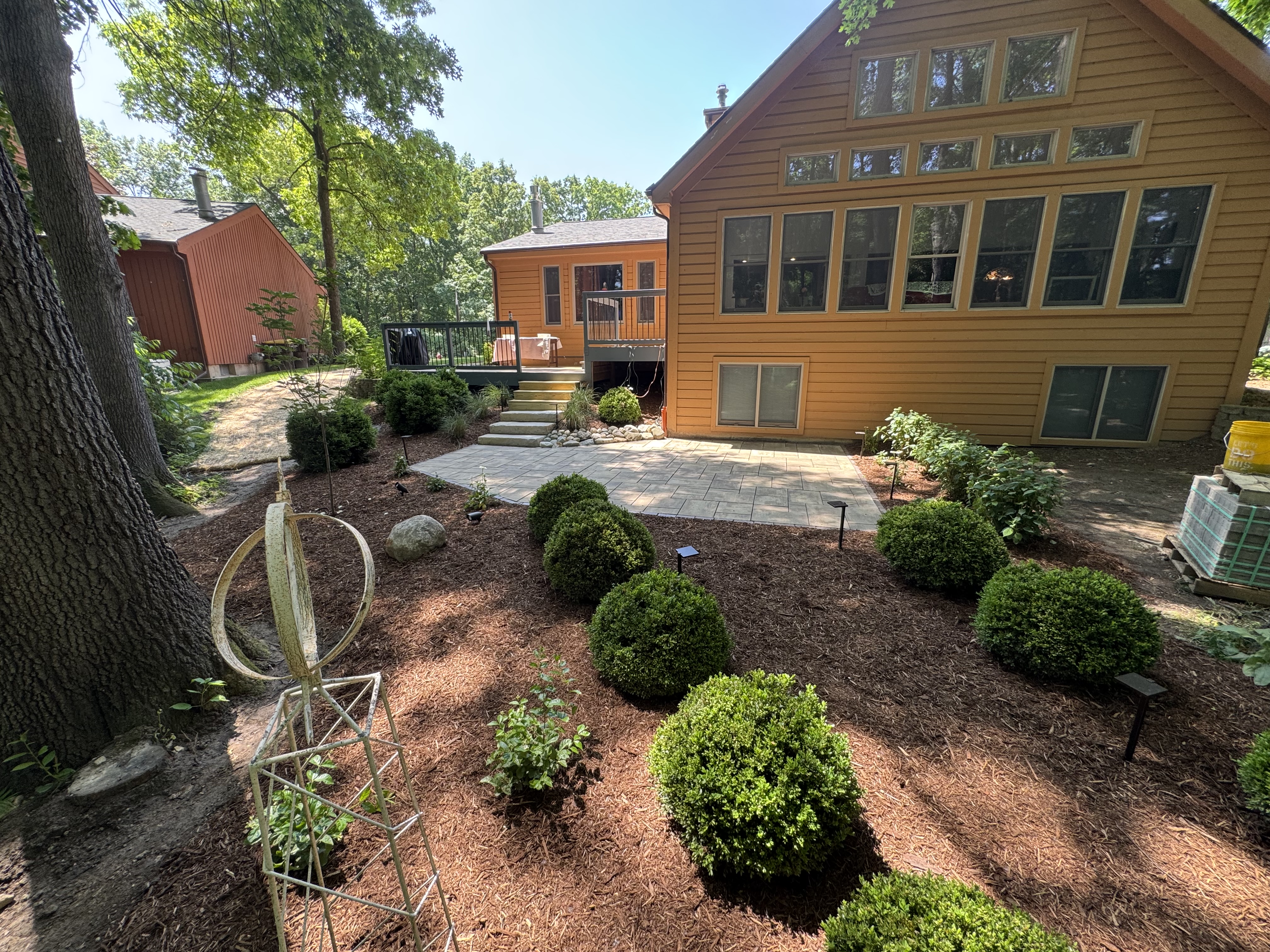
Microclimate Marvels: Tailoring Your Landscape to Local Weather Patterns with Hammond Jul 07, 2026
Think of your garden as a living entity that interacts with its environment. Microclimate, the climate of a small specific area that might differ from its surrounding regions, plays a pivotal role in the growth and health of your plants. Factors such as sunlight, wind exposure, moisture levels, and temperature variations collectively define your garden's microclimate. By recognizing and adapting to these elements, you can create an optimal habitat for your plants.
The initial step in aligning your landscape with local weather patterns is observation. Spend time in your garden under varying conditions and take note of which areas are sun-drenched and which are shaded. Observe the direction of prevailing winds and identify natural drainage areas. With this knowledge, Hammond Landscape can help you select plants that will thrive, creating a robust and resilient garden.
Choosing the right plants is crucial. Plants native to your region are typically well-adapted to the local climate, making them an excellent choice. At Hammond Landscape, we emphasize the importance of native and drought-tolerant plants. Not only do they offer a visually cohesive look but they also require less maintenance and resources. Incorporating a variety of plants also encourages biodiversity, which can protect your garden from pests and diseases.
In addition to plant selection, strategic layout and design can significantly impact how your garden interacts with the microclimate. At Hammond Landscape, we suggest designing with windbreaks in mind. Trees and shrubs can be positioned to shield sensitive plants from harsh winds, while strategically placing rocks and fountains can create microenvironments that moderate temperatures and humidity levels.
Soil management is another crucial aspect of optimizing your landscape. The type of soil in your garden greatly influences moisture retention and drainage. At Hammond Landscape, we recommend regular testing to understand your soil composition and pH levels. Amending your soil with organic matter like compost can improve its structure and fertility, enhancing your plants' growth and resilience.
Moreover, effective water management is imperative. By utilizing efficient irrigation systems, such as drip irrigation, and implementing rainwater harvesting methods, you can ensure your garden is adequately hydrated without unnecessary water wastage. Not only does this promote sustainable gardening practices, but it also helps in preserving this essential natural resource.
Lastly, remember that a landscape is a dynamic ecosystem requiring regular monitoring and adaptations. By working closely with the team at Hammond Landscape, you can ensure that your garden continues to flourish in harmony with its surroundings. With our expertise, we can guide you through each step, from initial assessments to design and ongoing care.
Transforming your landscape to align with local weather patterns is not just an investment in beauty but also in ecological health. At Hammond Landscape, we are passionate about helping you create a sustainable outdoor space that not only delights the senses but also thrives naturally. Embrace the microclimate marvels that surround you, and watch as your garden becomes a testament to nature's resilience and beauty.
/filters:no_upscale()/filters:format(webp)/media/34d09f81-85a7-4ebc-8295-f6aa4425903f.jpeg)
/filters:no_upscale()/filters:format(webp)/media/d0046b2d-a3bf-43e7-b532-fc259b10cb19.png)